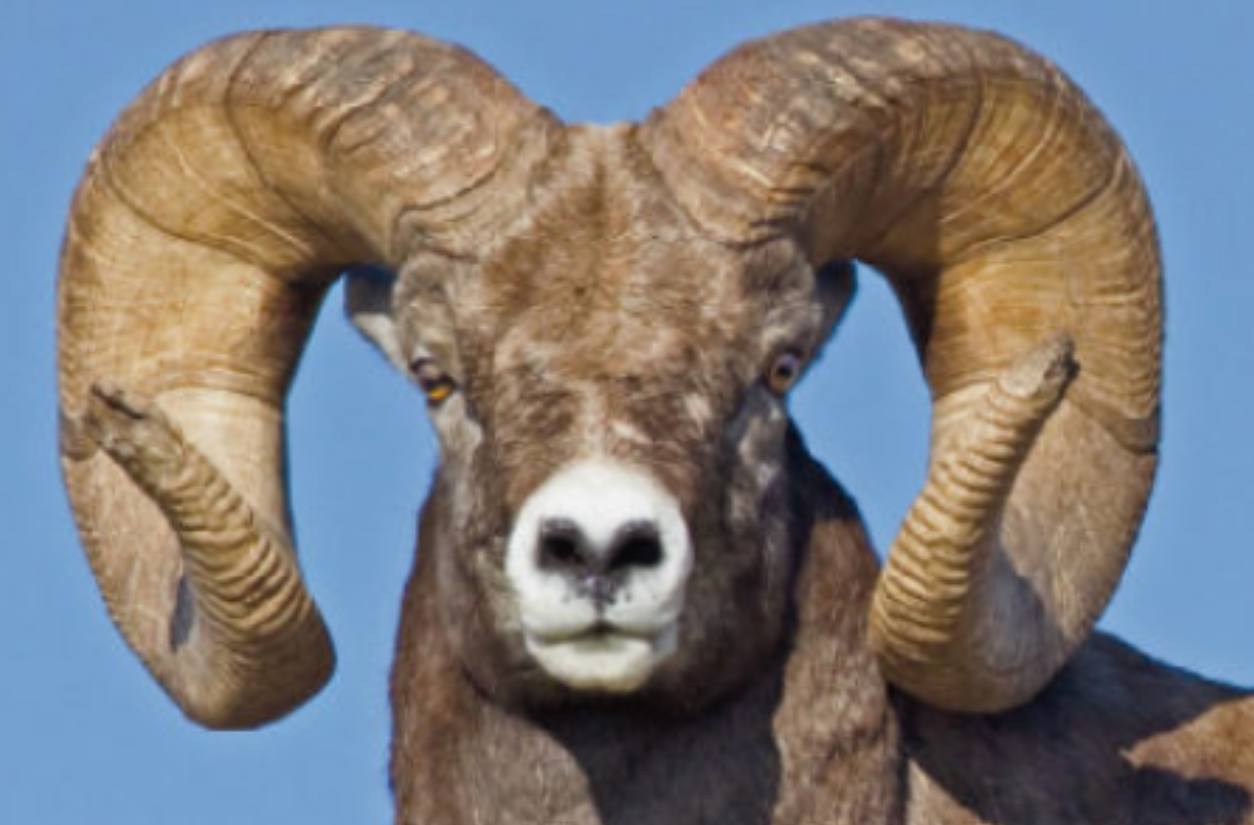
The Architecture of the Offering: Bull, Horn, and the Altar's Two Directions

The three altar animals: bull, sheep, and goat

"Take a bull, one of the herd, and two rams without blemish"

(Exodus 29:1)


The Question

Three consecutive Torah portions — Tetzaveh (Exodus 29–30), Tzav (Leviticus 6–8), and Shemini (Leviticus 9–11) — describe the same process: the consecration of the priests and the activation of the altar. The instructions are given, then executed, then tested. What follows immediately is the dietary law: "This is the creature you may eat from among all the animals."

Why does the Torah move from sacrifice to kashrut in a single breath? Why does the altar have horns? Why is only the bull's blood placed on those horns — never the ram's, never the lamb's? And why does the altar itself require purification — seven days at inauguration, once a year on Yom Kippur?

The morphological system provides precise answers. Not metaphorical. Structural.

Three Animals, Three Signatures

The consecration ritual in Exodus 29 prescribes three animals in fixed order. Their morphological signatures are not incidental:

AnimalHebrewLettersF%Role
Bullפרפ(F)–ר(F)100%Sin offering — blood on horns
Ramאילא(A)–י(Y)–ל(B)0%Burnt offering — blood around altar
Lambכבשכ(B)–ב(B)–ש(F)33.3%Daily offering — the continual

The bull is pure Foundation. The ram is pure non-Foundation. The lamb is balanced. This is not a random selection of farm animals — it is a gradient from matter to spirit.

The order is always: bull first, then ram, then lamb. Matter descends to spirit. The most material substance opens the process; the most spiritual substance ascends; the balanced substance sustains.

The Bull's Morphological Family

The root פ-ר generates an extraordinary cluster — virtually all at 100% Foundation:

WordLettersF%Meaning
פרF-F100%bull
פרשF-F-F100%to spread, separate
פרעF-F-F100%to uncover, be wild
פרקF-F-F100%to break off
פרסF-F-F100%to divide — the hoof
פרךF-F-F100%harshness
פרהF-F-Y66.7%cow (bull + ה direction)
פריF-F-Y66.7%fruit
פרסהF-F-F-Y75%hoof

The hoof — the defining sign of kashrut ("any animal that has true hoofs, with clefts through the hoofs" — Leviticus 11:3) — is a פ-ר word. The sign by which Torah classifies animals is morphologically embedded in the name of the bull.

כפר = כ + פר: Atonement Is the Bull

The Hebrew word for atonement — כפר — decomposes directly:

LettersGroupsF%
כפר (atone)כ-פ-רB-F-F66.7%
פר (bull)פ-רF-F100%
כ (prefix)כB (relation)

כ is the BKL letter of resemblance and relation — "like," "as," "with." כפר = כ + פר = the relational act performed with the bull. The verb is the animal.

This is not homiletics. The morphological decomposition is structural: כפר shares the root פ-ר with the bull, prefixed by the relational letter. Atonement is, in the language itself, the act of applying the bull's substance to a surface.

And the surface is specific: the horns.

The Horn — Where Matter Projects

The altar has four horns. The incense altar has four horns. Both receive blood — but only from the bull.

The word קרן (horn) carries a morphological signature that mirrors another word exactly:

WordLettersGroupsF%Meaning
קרןק-ר-נF-F-A66.7%horn
עצםע-צ-מF-F-A66.7%bone / self / essence

Identical structure. And biologically, the bull's horn contains bone — it is the only domesticated altar animal whose horn has a solid bone core (os cornu) sheathed in keratin. The ram's horn and the goat's horn are hollow — keratin only, no bone.

The horn of the bull is the projection of bone outward. The word for horn has the same structure as the word for bone. And עצם means both "bone" and "self" — "בעצם היום הזה" ("on this very day"), "עצם מעצמי" ("bone of my bone" — Genesis 2:23). The bone is the irreducible self.

Bull blood on the horn = the purest matter (פר, 100%F) applied to the projection of the self (קרן = עצם = FFA).

The horn is where the self meets the world. It is the point that projects outward from the altar — and it is the point that accumulates contamination. That is why it needs annual purification (Exodus 30:10), and why seven days of bull-blood are required at inauguration (Exodus 29:36–37).

The Altar's Architecture in F%

The altar is a vertical structure with three named zones:

```

┌─── קרנות (horns) ──── F% = 66.7% (F-F-A)

│ blood applied BY FINGER (באצבע)

├─── מזבח (altar body) ── F% = 50.0% (A-F-B-F)

└─── יסוד (base) ─────── F% = 50.0% (Y-F-Y-F)

remaining blood POURED here

```

The horns are the most material part of the altar (66.7% F). The body and base are balanced (50%). Blood flows from high-matter (horns) to balanced (base) — descending from matter toward spirit.

And the instrument of application — the finger — shares the altar's signature:

WordGroupsF%
אצבע (finger)A-F-B-F50%
מזבח (altar)A-F-B-F50%

The finger is a miniature altar. AFBF = AFBF. The priest's hand is the altar's instrument — they are morphologically the same.

Two Altars, Two Materials

The Torah prescribes two altars. Their materials tell the story:

The Copper Altar (מזבח הנחושת)

Material: נחושת (copper)

WordLettersGroupsF%
נחשתנ-ח-ש-תA-F-F-A50%

נחשת = נחש + ת — the word for copper contains the word for snake (נחש) plus the AMTN frame letter ת. The copper altar is literally the framed snake. Bull blood on this altar's horns, regularly.

The Golden Altar (מזבח הזהב)

Material: זהב (gold)

WordLettersGroupsF%
זהבז-ה-בF-Y-B33.3%

זהב contains a trapped YHW letter (ה): root זב (to flow) + ה (differentiation) = directed flow. Gold is the material of spirit flowing through matter. The golden altar receives bull blood on its horns once a year only — on Yom Kippur (Exodus 30:10). Because gold already contains YHW within it, it requires less frequent purification.

The copper altar (snake-matter) is purified regularly. The golden altar (spirit-flow) is purified annually. The frequency of purification correlates inversely with the spiritual content of the material.

The Solid Horn and the Hollow Horn

The discovery connects to a deeper architecture:

Horn typeStructureHebrewF%Direction
Bull horn (altar)Solid (bone + keratin)קרן66.7% (FFA)Blood enters IN
Ram horn (shofar)Hollow (keratin only)שופר75% (FYFF)Sound exits OUT

The shofar — שופר — reveals its function through its root structure. The base root is שפר: the letters שר (ruler) surrounding פ (the mouth). שר itself decomposes as ש (the letter of אש, fire/energy) + ר (the root of הוראה, instruction/direction — as in תורה, מורה, ירה). The ruler is one who directs fire. And שפר = the director-of-fire governing the mouth — sovereignty over voice, breath, and sound.

The full form שופר adds a ו (YHW) between ש and פ — and physically, the ram's horn is hollow: the ו is the open channel through which directed breath becomes sound.

Compare: בשר (flesh) = ב + שר = what is inside the ruler (blood rules the flesh from within). שפר = שר around פ = the ruler over the mouth (sound governed from without). And שרף (seraph/to burn) = שר + ף (פ sofit) = directed fire that enters through the mouth and consumes — the same root, reversed in direction, producing burning instead of sound.

These are opposite directions of the same instrument:

On Yom Kippur of the jubilee year (Leviticus 25:9), both operate simultaneously: bull blood on the altar's solid horns, shofar sound from the ram's hollow horn. The same day. The same name (יום הכיפורים). Matter flowing in, spirit flowing out.

"And you shall sound the shofar on the tenth day of the seventh month — on the Day of Atonement — you shall sound the shofar throughout your land." (Leviticus 25:9, F% = 44.3%)

Yom Kippur: The Complete Process

The full procedure of Leviticus 16 follows a descending F% trajectory:

StepVerseF%Action
Slaughter the bull16:1141.4%Peak materiality
Coals from altar + incense16:1229.0%Fire + smoke
Cloud covers the כפרת16:1330.0%Incense screens the cover
Bull blood on כפרת, 7 times16:1437.9%Blood on the mercy seat
Goat blood like bull blood16:1535.2%People's offering mirrors priest's
Bull + goat blood on horns16:1834.8%The horn moment
Sprinkle 7 times — purify16:1934.0%Seven-fold cleansing
Azazel goat to wilderness16:2130.9%Sins carried away
"On this day — atonement"16:3022.4%Spiritual conclusion
"Sabbath of sabbaths"16:3122.2%Lowest F%

From 41.4% to 22.2% — a 19-point descent. The process begins in matter (slaughtering the bull) and ends in spirit ("you shall be pure before YHWH"). The trajectory is the ritual: matter is offered, transformed, and the residue is spiritual purity.

Three temporal scales of purification operate on the same principle:

ScaleFrequencyWhat is purifiedReference
InaugurationOnce (7 days)The altar itselfExodus 29:36–37
Yom KippurOnce a yearHorns + shrine + IsraelLeviticus 16
JubileeOnce in 50 yearsThe land + all debtsLeviticus 25:9–13

Each scale resets a larger system. The altar is reset in seven days. The people are reset in one day per year. The land is reset once in fifty years. And on the jubilee's Yom Kippur, the shofar sounds — the hollow horn broadcasts the reset to "all the inhabitants of the land."

From Sacrifice to Kashrut: The Transition

Leviticus 9–11 presents a sequence that now becomes legible:

  1. Leviticus 9 — The eighth day: Aaron offers the prescribed sacrifices (bull, ram, goat, lamb). Fire comes from before YHWH and consumes the offering. The system activates.
  1. Leviticus 10:1–7 — Nadab and Abihu offer "alien fire" (אש זרה). Fire from YHWH consumes them. The system rejects unauthorized input.
  1. Leviticus 10:16–20 — Moses is angry: Aaron's sons burned the sin-offering goat instead of eating it. Aaron replies: "Would YHWH approve?" (F% = 17.8% — deep spiritual register). Moses accepts.
  1. Leviticus 11:2 — Immediately: "This is the creature you may eat from among all the animals."

The transition is not abrupt. It is architectural. The altar determines which animals may be offered. The dietary law determines which animals may be eaten. Both systems classify animals — one by what rises to God, the other by what enters the human body.

And the defining criterion of kashrut — the split hoof — is פרסה, a פ-ר word: the signature of the bull embedded in the very sign of permitted eating.

Death, Matter, and the Red Heifer

What Ascends and What Cannot: The Bull's Skin Problem

The most striking difference between the bull and the ram is not what they share — both are slaughtered, both yield blood — but what happens to the rest:

The Ram (עולה — Burnt Offering)

"Turn all of the ram into smoke upon the altar. It is a burnt offering to YHWH." (Exodus 29:18)

Everything ascends. The blood is dashed around the altar. The flesh, the innards, the legs — washed and placed on the fire. The head. Even the skin. The ram is כליל — complete. Nothing remains below. Nothing exits the camp.

The ram is 0% Foundation (AYB). It is pure spirit. There is nothing in it that the altar cannot receive.

The Bull (חטאת — Sin Offering)

"The rest of the flesh of the bull, its hide, and its dung shall be put to the fire outside the camp." (Exodus 29:14)

The blood goes to the horns and the base — the most material points of the altar. The fat, kidneys, and liver burn on the altar. But then the process stops. The skin (עור), the flesh (בשר), the head (ראש), and the dung (פרש) — all of these are carried outside the camp to the דשן, the ash-heap, and burned there.

The bull is 100% Foundation. It is pure matter. And the altar cannot fully receive it.

PartBull (פר — חטאת)Ram (איל — עולה)
BloodHorns + base (by finger)Dashed around altar
Fat/kidneysBurned on altar ✅Burned on altar ✅
SkinExits to דשןAscends
FleshExits to דשןAscends
HeadExits to דשןAscends
DungExits to דשןWashed, ascends ✅

The Skin Is the Problem

The word for skin — עור — is FYF (66.7% Foundation). We have already demonstrated that KRTAP genes (keratin-associated proteins) show ×1.84 BovB enrichment in cattle (p = 0.0003). The skin is where the snake's DNA concentrates. The Torah's treatment of the bull's skin is precise: it does not belong on the altar. It goes to the דשן — outside the camp, to a place whose own name (דשן = F-F-F, 100% Foundation) marks it as the repository of rejected matter.

The dung is equally telling: פרש (F-F-F, 100% Foundation) — the same root as פרס (to divide) and פרסה (hoof). The waste of the bull carries the same morphological signature as the bull itself.

דשן and the Dishon Problem

The דשן (ash-heap) shares its root with דישון — a Horite clan in Seir. The Horites (חרי, "cave-dwellers") inhabited the land of the שעירים (Seir = "hairy ones"), and Genesis 36 records their genealogy alongside the Edomite kings — a genealogy marked by irregular unions and regulatory breakdown. Dishon son of Anah, Dishon son of Seir — names repeating across generations, boundaries blurring.

WordGroupsF%Connection
דשן (ash-heap)F-F-F100%Where bull remnants go
דישון (Dishon)F-Y-F-Y50%Horite clan — regulatory failure
שעיר (Seir/goat)F-F-Y-F75%The hairy land = goat territory
חרי (Horite)F-F-Y66.7%Cave-dweller = subterranean

The דשן is the Torah's designated space for matter that cannot be elevated. It is not impure — the text specifies it is a "pure place" (מקום טהור, Leviticus 4:12). But it is outside. It is matter that has served its function and must now be separated.

Balaam's Counterfeit Altar

The prophet Balaam, hired by Balak king of Moab to curse Israel, constructs his own sacrificial system — and the morphological analysis reveals its fatal flaw.

The Formula

Balaam instructs Balak three times:

"Build me seven altars here and have seven bulls and seven rams ready." (Numbers 23:1)

Three rounds. Seven altars per round. On each altar: one bull and one ram.

Total: 21 altars, 21 bulls, 21 rams.

What Is Missing

Compare the Torah's consecration formula with Balaam's:

Torah (Exodus 29)Balaam (Numbers 23)
פר (100% F)✅ 1 bull✅ 7 bulls
איל (0% F)✅ 2 rams✅ 7 rams
כבש (33% F)✅ 2 lambsmissing
Structure1 altar × 7 days7 altars × 1 day
PrinciplePatience (time)Force (space)

Balaam takes the extremes — pure matter (bull) and pure spirit (ram) — but omits the כבש (lamb, 33% Foundation), the balanced middle. The lamb is the תמיד — the daily, the continual, the offering that sustains the system between dramatic events. Without it, Balaam has a circuit with no resistor: maximum voltage, no regulation.

Time vs. Space

Aaron consecrates one altar over seven days — working with time, allowing the process to unfold sequentially. The bull is offered daily; the altar accumulates sanctity.

Balaam builds seven altars in one day — trying to achieve through spatial multiplication what requires temporal patience. Same number (7), opposite architecture. He repeats the attempt three times, escalating each round, and each time the system responds with blessing instead of curse.

The Field of the Watchers

In his second attempt — the most material, at F% = 39.2% — Balaam ascends to שדה צופים ("the field of the watchers"), on the summit of Pisgah (Numbers 23:14). The word שדה (field) is FFY — the same morphological signature as שדי (Shaddai). Balaam enters the domain of El Shaddai and still cannot curse, because the offering is structurally incomplete.

The Names

The names themselves encode the failure:

NameGroupsF%Decomposition
בלעם (Balaam)B-B-F-A25%בל (negation) + עם (people)
בלק (Balak)B-B-F33%בל (negation) + ק (Foundation)

Both begin with בל — the BKL double that we identified in the closing chapter as the negation particle: לב (heart, 32) reversed = בל (destruction, negation). Balaam is "not-people" or "swallower of people." Balak is "negated matter." The entire enterprise is built on reversal — and the morphological system, which cannot be reversed by incantation, responds accordingly.

The Goat: Guardian of the Boundary

The bull, the ram, and the lamb form a triad — matter (100%F), spirit (0%F), and balance (33%F). But the sacrificial system contains a fourth animal that has been present all along, in a role that none of the other three can fill.

The Bull's Twin

AnimalHebrewGroupsF%Role
פר (bull)פ-רF-F100%Sin offering — inward only
עז (goat)ע-זF-F100%Sin offering — inward AND outward

The goat — עז — is F-F, 100% Foundation. Identical to the bull. Same material load. But the bull goes only one direction: its blood enters the sanctuary, its skin goes to the דשן. The goat splits. On Yom Kippur, two identical goats stand before the priest, and a lot (גורל) determines which goes inward (ליהוה) and which goes outward (לעזאזל). Same animal, two fates.

The goat's extended name — שעיר (F-F-Y-F, 75%) — reveals what makes it different from the bull: it contains a י (YHW) inside it, between layers of Foundation. The bull (FF) is pure matter with no differentiation inside. The שעיר has a point of differentiation (Y) embedded within its matter — and that internal differentiation is what allows it to go both directions.

Where the Goat Appears: Every Boundary

A survey of all 43 occurrences of שעיר עזים in the Torah reveals a pattern of extraordinary consistency. The goat is required at every transition point in the sacred calendar and communal life:

ContextReferenceWhat transitions
Individual sin (leader)Leviticus 4:23Person → guilt → restoration
Individual sin (commoner)Leviticus 4:28Person → guilt → restoration
System inaugurationLeviticus 9:3Profane → sacred (Day 8)
Yom KippurLeviticus 16:5–10Year boundary — SPLIT goat
Tribal inaugurationNumbers 7:16–82Each of 12 tribes — ×12
Communal inadvertent sinNumbers 15:24Community → error → correction
Every Rosh ChodeshNumbers 28:15Month → month
PesachNumbers 28:22Slavery → freedom
ShavuotNumbers 28:30Harvest boundary
Rosh HashanaNumbers 29:5Year → year
Yom Kippur (additional)Numbers 29:11Plus the two split goats
Sukkot (×7 days)Numbers 29:16–34Each day of ingathering
Shemini AtzeretNumbers 29:38Festival → ordinary

The bull appears only at major sin events. The ram appears for burnt offerings. The lamb appears daily. The goat appears at every boundary.

The Fourth Animal

The sacrificial system is not a triad but a quartet:

AnimalF%FrequencyFunction
פר (bull)100%Major eventsMatter processed inward
איל (ram)0%Burnt offeringsSpirit ascending upward
כבש (lamb)33.3%Daily (תמיד)Balance — sustains the system
שעיר (goat)75–100%Every boundaryProcesses transitions — both directions

The lamb sustains the system in time (daily). The goat sustains the system across boundaries (every transition). Without the lamb, the system has no continuity. Without the goat, the system has no way to cross from one state to another.

עזאזל = עז + אזל: Matter That Departs

The word עזאזל decomposes as:

ComponentGroupsF%Meaning
עז (goat)F-F100%The goat — pure matter
אזל (departed)A-F-B33.3%To go away, to be gone
עזאזלF-F-A-F-B60%The goat that departs

Matter (100%F) combined with departure (33.3%F). And אזל carries the same F% as כבש (lamb, 33.3%) — the goat that departs carries the lamb's balance with it into the wilderness.

The Goat and the Bird: Same Signature

The metzora's purification (Leviticus 14) requires two birds — one slaughtered, one released alive. The same binary as the two goats: one processed, one sent away.

AnimalGroupsF%Pattern
שעיר (he-goat)F-F-Y-F75%One ליהוה, one לעזאזל
צפור (bird)F-F-Y-F75%One slaughtered, one released

The same morphological signature (FFYF, 75%) and the same F%. The same binary pattern: of two beings of the same kind, one is processed and one carries the residue outward. The goat and the bird serve as the system's splitters — the animals that handle the fork in the path.

שעיר = שעיר: The Goat Is Esau's Animal

The word שעיר means both "he-goat" and "hairy" — and it is the name of Esau's territory:

WordGroupsF%Meaning
שעיר (goat)F-F-Y-F75%The he-goat
שעיר (Seir)F-F-Y-F75%Esau's land
עשו (Esau)F-F-Y66.7%"The hairy one"
שער (hair)F-F-F100%Hair — maximum matter

Esau is the man of the surface — the man of hair, skin, the outermost layer. His territory is שעיר. The scapegoat goes to the wilderness — and in rabbinic tradition, to a cliff in the desolate land. The goat that bears the sins of Israel is sent to the territory of the surface-man. Matter returns to its origin.

BovB/L1 = 0.94: The Imbalance That Enables the Split

Of the three altar-eligible ruminants, the goat has the lowest BovB/L1 ratio:

AnimalBovB/L1 ratioMeaning
Sheep (כבש)1.00Perfect balance — the daily offering
Cow (פר)0.97Near-balance — processes inward
Goat (עז)0.94Slight asymmetry — can tip either way

The sheep's perfect equilibrium (1.00) is why it serves as the תמיד — the daily, the constant, the unwavering middle. The goat's slight imbalance (0.94) may be what enables it to serve at boundaries: it can tip toward either direction, and the גורל (lot) resolves which way. An animal in perfect balance cannot split. An animal with a slight asymmetry can — and must, at every sacred boundary.

The Red Heifer: Resolving the Skin

The bull's skin — the part that cannot ascend on the altar — finds its resolution in a single, extraordinary ritual: the פרה אדומה (Red Heifer, Numbers 19).

The Only Sacrifice Where Skin Burns

"The cow shall be burned in his sight — its hide, its flesh, and its blood shall be burned, its dung included." (Numbers 19:5)

This is unique in the Torah. In every other offering, the bull's skin either goes to the priest (Leviticus 7:8) or exits to the ash-heap. Only the red heifer is burned completely — skin, flesh, blood, and dung together — and not on the altar but outside the camp, to produce אפר (ash).

אפר = א + פר: The Framed Bull

WordGroupsF%Meaning
אפר (ash)A-F-F66.7%The product of the red heifer
פר (bull)F-F100%The bull
פרה (cow)F-F-Y66.7%The female bull
פרא (wild)F-F-A66.7%Wild — anagram of אפר

אפר = א (AMTN frame) + פר (bull). The ash is the bull given a frame — the pure matter of the bull, processed through total combustion including its problematic skin, transformed into a substance that can be mixed with living water (מים חיים) and applied to purify from death.

Death = 0% Foundation

Death in Hebrew is מת — מ(AMTN) + ת(AMTN) = 0% Foundation. Death is the complete absence of matter. Pure frame with no content. The corpse is the body emptied of its Foundation substance.

The red heifer's ash — אפר, the framed bull — restores Foundation content to a system that has lost it through contact with death. The skin that could not ascend on the altar is burned outside, transformed into ash, and becomes the only remedy for the ultimate loss of matter.

The Torah's sacrificial system is a matter-processing architecture. The altar receives what it can. What it cannot receive — the skin, the flesh, the dung — exits to the דשן. But in the singular case of the red heifer, even the rejected matter is reclaimed, transformed, and given the power to reverse death itself.

The Blood That Rules: דם, נפש, and the Universal Prohibition

Blood as Sovereign

"For the life of the flesh is in the blood, and I have assigned it to you for making expiation for your lives upon the altar; it is the blood, as life, that effects expiation." (Leviticus 17:11, F% = 28.6%)

The word for flesh — בשר — decomposes as ב (inside) + שר (ruler, F-F, 100% Foundation). Flesh is literally "inside the ruler." And the ruler inside the flesh is the blood — because "the life of the flesh is in the blood."

The blood governs the flesh. The שר (ruler) inside the בשר (flesh) is the דם (blood), which carries the נפש (soul). When the blood exits — as in Rachel's death: "As her soul was going out, for she was dying" (Genesis 35:18) — the ruling authority departs and what remains is מת (dead, מ-ת, AMTN+AMTN = 0% Foundation). Death is the body emptied of its governing substance.

The Layers of the Body

The body is organized in concentric layers, each with a distinct morphological signature:

LayerHebrewGroupsF%Function
SoulנפשA-F-F66.7%The life itself
BloodדםF-A50%The medium (carries soul)
BoneעצםF-F-A66.7%Structure — contains marrow, produces blood
Organssee below0–33%The regulators
FleshבשרB-F-F66.7%The container (ב + שר)
SkinעורF-Y-F66.7%The boundary
HairשערF-F-F100%Pure matter — dead extension
HornקרןF-F-A66.7%Projection of bone outward

One discovery emerges from the table: עצם (bone) = עץ (tree, F-F) + מ (AMTN frame). The bone is a framed tree — and biologically, bone has a tree-like trabecular structure, with marrow filling the spaces like sap. The bone is the body's עץ החיים — the Tree of Life within. The marrow is the sap. The blood is the fruit. Note that the word מח (marrow/brain) does not appear in the Torah — the text uses only עצם, the bone itself, as if the container and its content are one. The bone is the self (עצם = self/essence); what it produces — blood — is inseparable from what it is.

The outermost layers — hair (שער, FFF = 100%), nails, horn — are dead tissue. They contain maximum Foundation and zero life. They are pure structure with no נפש, no blood, no nerves. This is where BovB concentrates in the genome (KRTAP ×1.84), and this is what the Torah sends to the דשן: the outer shell of matter that cannot ascend.

כפר Is Always External

The first use of כפר in the Torah is not at an altar:

"Make yourself an ark of gopher wood... and cover it inside and out with pitch." (Genesis 6:14)

כופר = pitch. A physical coating. Waterproofing. The verb כפר means to apply a substance to a surface — sealing the boundary between inside and outside. This meaning persists in every subsequent use:

ApplicationSurfaceSubstanceProtects against
Noah's arkWoodכופר (pitch)Water (מים, 0%F = chaos)
Altar hornsMetalדם הפר (bull blood)Death (מת, 0%F)
כפרת (mercy seat)GoldBull blood (Yom Kippur)Sin

The principle is invariant: כפר = apply substance to the outside of a surface. Never inside. The blood belongs on the horns, on the כפרת, on the altar. Never consumed. Never internalized.

The Universal Prohibition

The prohibition on consuming blood is not a Sinaitic law. It is a Noahide principle, given to all humanity:

"Flesh with its life-blood in it you shall not eat." (Genesis 9:4)

This precedes the dietary laws by centuries. It applies to every animal — clean or unclean, domestic or wild. The reason is structural, not ritual:

Blood inside its own body = חי (life). The שר rules its בשר.

Blood on an external surface = כפר (atonement). The substance seals a boundary.

Blood inside a different body = אסור (forbidden, punishable by כרת — being cut off).

Consuming another creature's blood means importing a foreign שר (ruler) into your בשר (flesh) — a foreign regulatory system into your body. This is regulatory invasion. The immune system — which is carried in the blood — is the organism's self/non-self detector. Modern transfusion medicine confirms the principle: wrong blood type = immune attack = death. The Torah's prohibition is the same logic expressed as law: do not cross blood-identities.

The Inner Organs: Vessels of the Temple

What Goes on the Altar

From the bull's sin offering (Leviticus 4:8–10), three categories of organ are placed on the altar:

OrganHebrewGroupsF%Biological function
FatחלבF-B-B33.3%Energy storage (reserves)
KidneysכליותB-B-Y-Y-A0%Blood filtration (regulation)
Liver lobeכבדB-B-F33.3%Detoxification (processing)

All three are regulatory organs. Not structural (bones, muscles), not transport (heart, arteries) — regulatory. They govern what the body keeps and what it expels. Placing them on the altar = returning the regulatory authority to its source.

What does not go on the altar — skin, flesh, head, dung — is structural matter. The offering separates regulation from structure and returns the control system to God.

כליה = כל + יה: Everything Belongs to God

The kidney's name decomposes with extraordinary precision:

כליה = כל (all, everything) + יה (God, short form of YHWH)

ComponentGroupsF%Meaning
כלB-B0%all, everything (pure relation)
יהY-Y0%God's name (pure YHW)
כליהB-B-Y-Y0%"all belongs to God"

The kidney is 0% Foundation — the same F% as מים (water, 0%F), יהוה (0%F), and איל (ram, 0%F). As noted throughout this book, individual F% matches should be evaluated in context: approximately 34% of three-letter words share a given F% value. The convergence here is that the organ regulating water, the word for water, and the divine name all share the same morphological absence of Foundation letters — a pattern whose significance the reader may weigh.

Biology confirms the name: the kidneys filter approximately 600 liters of blood per day, returning 99.75% of it to the body. They regulate water balance, electrolyte levels, blood pressure, and pH. They are the body's most precise regulators — and they are named "everything is God's."

Three Kidneys, Three Temples

In embryonic development, the human body builds three successive kidneys:

  1. Pronephros (weeks 3–4) — a primitive sketch, non-functional, quickly absorbed. The scaffolding.
  2. Mesonephros (weeks 4–8) — a functioning temporary kidney that filters blood before the permanent organ exists. The Tabernacle.
  3. Metanephros (weeks 5+, functional by week 10) — the permanent kidney. The Temple.

The kidney develops before the brain is fully formed, before the lungs function, before the eyes open. כל-יה comes first. The water-regulator precedes all other systems — as if the body knows that regulatory authority must be established before structure can be filled.

Three temporary structures, each replaced by a more permanent one. Mishkan → First Temple → Second Temple. Pronephros → Mesonephros → Metanephros. The pattern is the same.

When a Stone Enters כל-יה

Anyone who has experienced a kidney stone knows: the pain is among the most extreme the human body can produce. The proximity of death feels real.

A stone in the kidney is matter in a 0% Foundation space — physical substance where the morphological system says no matter belongs. It is the bodily equivalent of אש זרה (alien fire) in the Holy of Holies. Nadab and Abihu brought unauthorized substance into the purest space and died. A calcium deposit in the כליה is unauthorized Foundation in "all-of-God."

The body treats it accordingly: maximum alarm, maximum pain, maximum urgency to expel.

קרבן = קרב: The Offering Is the Drawing Near

The word קרבן (offering) shares its root with קרב — which means both "innards" and "to draw near."

WordGroupsF%Meaning
קרבןF-F-B-A50%offering
קרבF-F-B66.7%innards / to approach
קרובF-F-Y-B50%near, close

The offering is not a "sacrifice" in the sense of destruction. It is a קרב — a drawing near. And what draws near? The קרב — the innards. The fat, the kidneys, the liver — the regulatory organs that are brought close to God on the altar.

The structure stays behind. The regulation approaches. That is what a קרבן is.

The Body as Temple

The complete system maps the body onto the sanctuary:

Body layerF%Temple zoneTE signature
נפש / דם / מח50–66.7%קודש הקודשים (Holy of Holies)L1 territory (neurons)
עצם66.7%ארון (Ark — contains the Law)Structural frame
כליות / כבד / חלב0–33%כלי הקודש (sacred vessels)Regulatory organs
בשר66.7%קודש (Holy Place)Structural flesh
עור66.7%יריעות (curtains/coverings)Boundary layer
שער / קרן66.7–100%חצר (courtyard)BovB enriched (KRTAP)

The innermost layers — soul, blood, marrow — correspond to the Holy of Holies, where L1 (the YHWH-correlated transposon) writes in neurons. The outermost layers — skin, hair, horn — correspond to the courtyard, where BovB (the snake-origin transposon) concentrates in keratin genes.

The regulatory organs — kidneys (כל-יה), liver (כבד), fat (חלב) — are the sacred vessels: the altar, the menorah, the showbread table. They do not belong to the structure. They belong to the service. And in the offering, they are returned.


The bull does not atone because tradition assigns it that role. It atones because it is — in the structure of the language itself — the purest material substance. Its blood belongs on the horns because the horn is where matter meets the world. Its skin cannot ascend because the skin is where the snake resides. And the word for atonement carries the bull's name inside it: כפר = כ + פר. To cover. With the bull.

But the story does not end at the altar. What the altar rejects, the red heifer reclaims. The skin that goes out to the דשן is burned, with everything else, into אפר — the bull-with-frame — and this ash, mixed with living water, becomes the remedy for death. What cannot rise on the altar descends into ash and rises again as purification.

Balaam understood the ingredients but not the architecture. He brought bulls and rams to seven altars but forgot the lamb — the daily, the balanced, the middle that holds the system together.

And the kidney — כל-יה, "all belongs to God" — is the organ that makes the entire system legible. It is 0% Foundation, like water, like YHWH's name. It regulates the blood that carries the soul. It develops first in the embryo, three times over, like three temples built in succession. When matter invades it — a stone — the body screams as if dying, because the purest space has been violated.

The offering is not destruction. It is קרבן — drawing the innards near. The regulatory organs approach God on the altar. The structural matter stays behind. And the blood — the שר inside the בשר, the ruler inside the flesh — is applied to the surface, never consumed, because כפר is always external. Always a coating. Always a boundary sealed against chaos.

One architecture. From the bone's marrow to the altar's horn.